

5 Essential Car Maintenance Services in Florida

5 Essential Car Maintenance Services in Florida
Florida’s heat, humidity, and sudden downpours put real strain on parts most drivers never think about — until something quits. Here’s what to stay ahead of.
Florida’s heat and humidity make A/C, cooling, and battery service more urgent than in milder climates.
Weak batteries fail faster in extreme heat, so routine testing catches problems before they strand you.
Fresh fluids protect the engine, transmission, and brakes from heat-related breakdown.
Worn wiper blades are a real safety risk during Florida’s sudden, heavy rainstorms.
A quick multi-point inspection can catch most of these issues before they turn into costly repairs.
Florida summers don’t go easy on a vehicle, and if you’ve ever climbed into a scorching car after a long day, you already know it. That heat, humidity, and the occasional torrential downpour put real strain on parts most drivers never think about — until something quits. So what actually needs attention before it becomes a roadside problem? Walt’s Live Oak Ford in Live Oak, FL, sees this pattern every season, and staying on top of essential car maintenance is the easiest way to avoid it.
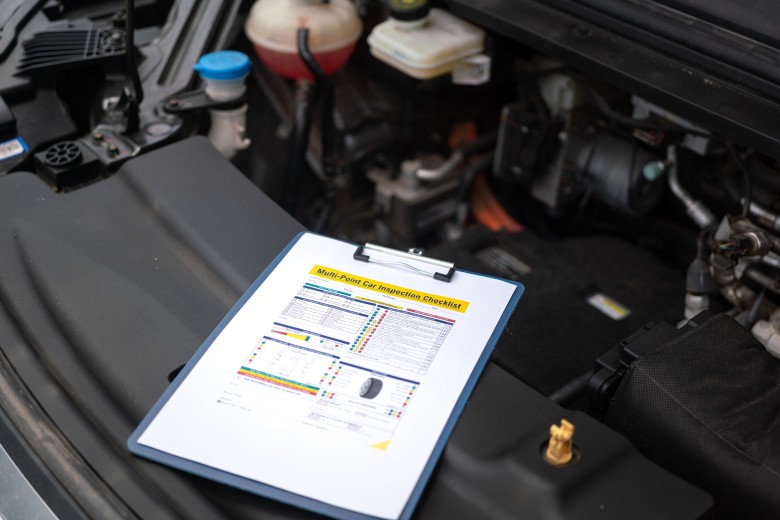
What Are the Most Essential Car Maintenance Services in Florida?
The five services that matter most for Florida drivers are A/C system checks, cooling system service, battery health checks, fluid changes, and wiper blade replacement. Each one directly addresses the stress that heat, humidity, and heavy rain place on a vehicle.
Consistent car maintenance in Florida looks a little different from what it does up north. There’s less concern about road salt and freezing temperatures, and a lot more concern about heat soak, UV exposure, and sudden downpours. Here’s a closer look at each of the five essentials and why they matter.
A/C System Check
A working A/C isn’t just about comfort in Florida — it’s often the first thing to signal a bigger problem.
Cooling System Service
The radiator and coolant work overtime just idling in Florida traffic under a summer sun.
Battery Health Check
Heat accelerates the chemical reactions inside a battery, shortening its working life far faster than in cooler climates.
Fluid Changes
Engine oil, coolant, transmission fluid, and brake fluid all break down faster under sustained high heat.
Wiper Blade Replacement
Constant sun exposure dries out and cracks wiper rubber faster than most drivers expect.
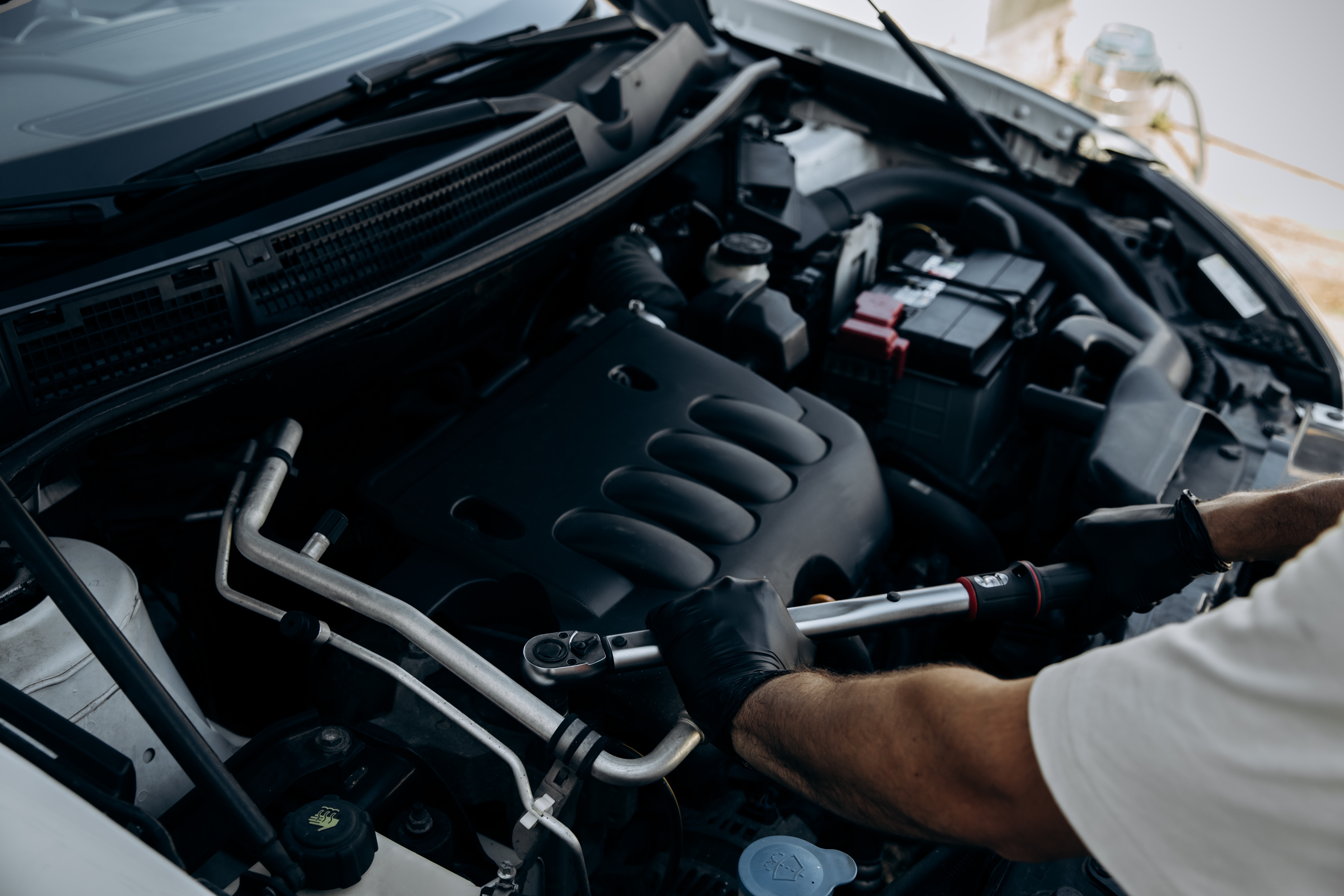
Why Is Battery Health Especially Important in Florida’s Heat?
Heat is harder on a car battery than cold ever is, and Florida’s climate shortens battery life faster than almost anywhere else in the country. That’s why a quick check-up matters more here than the average driver might expect.
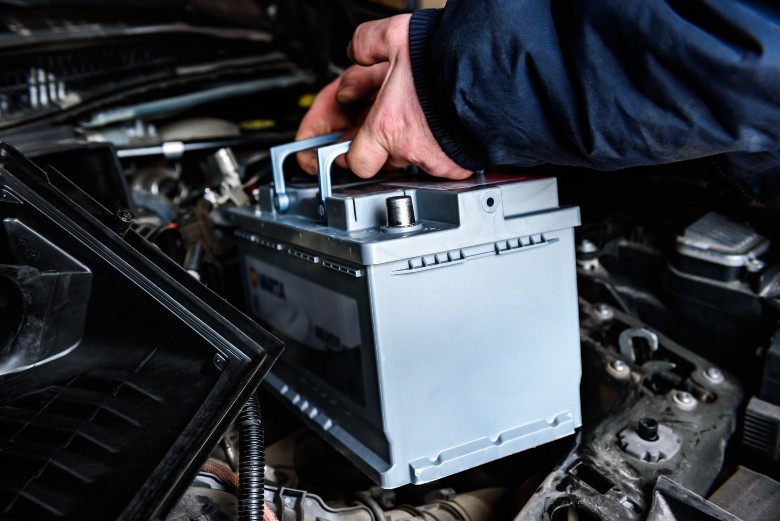
Routine Battery Check
A battery rated for five years elsewhere might only last three in Florida.
A battery health analysis measures voltage, cranking amps, and overall charge capacity, giving a clear picture of how much life is actually left. This matters because a battery can look fine right up until the moment it doesn’t start. Heat speeds up internal corrosion and evaporates battery fluid faster than normal, so a battery rated for five years elsewhere might only last three in Florida. Short trips that don’t give the alternator time to recharge the battery make the problem worse, and so does leaving a car parked in direct sunlight for hours at a time. Catching a weakening battery during a routine check means replacing it on a Tuesday afternoon instead of after it leaves someone stranded in a parking lot.
| Factor | Impact | Example | Explanation |
|---|---|---|---|
|
Extreme Heat
|
Speeds up internal corrosion | A car was parked outside all summer | High temperatures accelerate the chemical wear inside the battery |
|
Short Trips
|
Prevents full recharging | Frequent quick errands around town | The alternator needs sustained drive time to restore charge fully |
|
Battery Age
|
Reduces cranking power over time | A battery older than three years | Capacity naturally declines faster in hot climates |
|
Corroded Terminals
|
Weakens the electrical connection | Visible white or blue buildup on posts | Corrosion blocks the flow of current between the battery and the vehicle |
|
Extended Parking
|
Allows slow, natural discharge | A second vehicle left unused for weeks | Batteries lose charge gradually even when the car isn’t running |
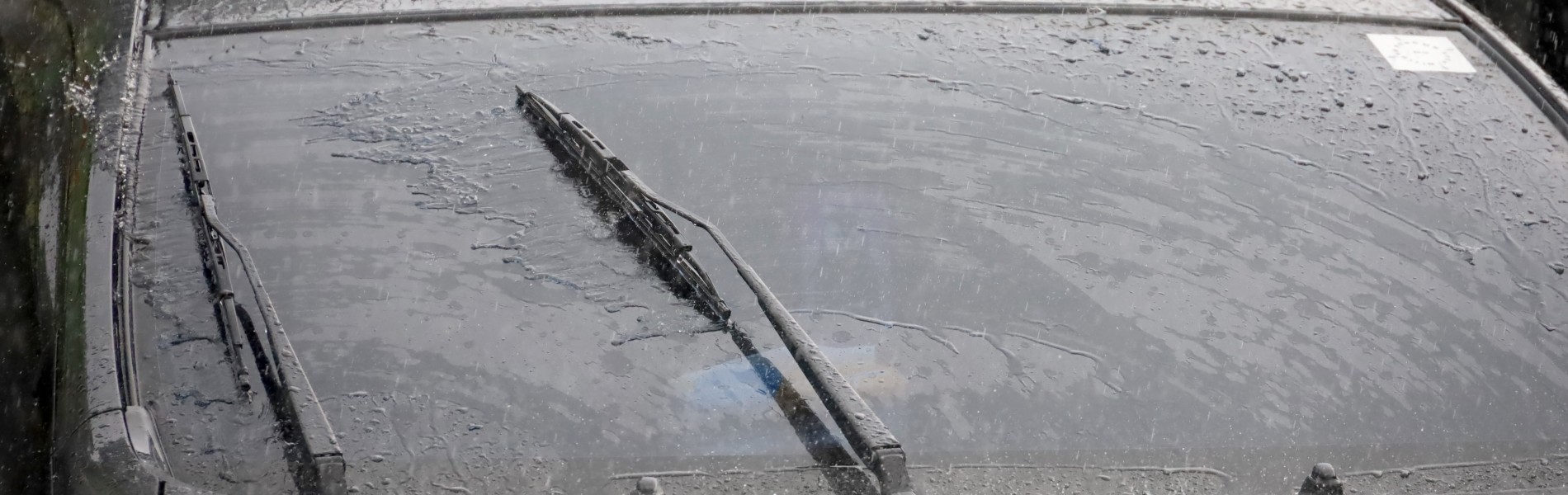
What Are the Warning Signs That Fluids or Wipers Need Service?
Low or dirty fluids and worn wiper blades tend to show subtle warning signs well before they cause a real problem, and catching those signs early is usually inexpensive to fix.
Fluids like engine oil, coolant, transmission fluid, and brake fluid all break down with heat and mileage. Wiper blades might seem minor, but they’re one of the most overlooked safety items on the car — a cracked or brittle blade can turn a sudden Florida downpour into a real visibility problem in seconds.
Fluid Warning Signs
- Dark or gritty oil
- A burning smell
- A soft brake pedal
Wiper Warning Signs
- Streaking across the windshield
- A chattering sound during use
- Visible cracking in the rubber
None of these are complicated fixes, but ignoring them for too long can turn a small maintenance item into a bigger repair, or worse, a safety risk on the road.
Staying Ahead of Florida’s Toughest Conditions
None of these five services is complicated on its own, but together they cover the parts of a vehicle that Florida’s climate wears out the hardest. A/C, cooling, battery, fluids, and wipers all work quietly in the background until one of them doesn’t, and by then it’s usually at the worst possible time. Staying ahead of minor warning signs is much easier than dealing with a breakdown on the side of I-75. Walt’s Live Oak Ford in Live Oak, FL, has seen firsthand how much of a difference routine attention makes, and keeping up with essential car maintenance is one of the simplest ways to keep a car running the way it should through another Florida summer.
If any of these signs sound familiar, a quick check is an easy next step. Our service team at Walt’s Live Oak Ford in Live Oak, FL, can run through all five essentials, spot anything worth watching, and get it handled before it becomes a bigger issue.

Frequently Asked Questions
How often should A/C service be done in Florida?
How long does a car battery last in Florida’s heat?
What happens if the coolant runs low?
How often should wiper blades be replaced?
Which fluids should be checked regularly?
Can Walt’s Live Oak Ford check all five services in one visit?

0 comment(s) so far on 5 Essential Car Maintenance Services in Florida