

Ford Warning Lights Explained for Live Oak Drivers
Walt’s Live Oak Ford | Service Guide
Ford Warning Lights Explained for Live Oak Drivers
That little symbol just lit up on the dash, and now you’re squinting at it, wondering if it’s a big deal or nothing at all. Here’s how to know before you even pull into the service lane.
Brake
Oil
Coolant
TPMS
Gas Cap
Battery
Key Takeaways
The short version, before we get into every light.
Most Ford dashboard warning lights fall into three categories: informational, “get it checked soon,” and “pull over now.”
Red lights typically mean stop driving and call for help; yellow or amber lights mean schedule service soon.
A loose gas cap is one of the few lights you can often fix yourself in seconds.
Ignoring a Check Engine or oil pressure light can lead to costly repairs down the road.
When in doubt, Walt’s Live Oak Ford can run a full diagnostic and tell you exactly what’s happening.
That little symbol just lit up on the dash, and now you’re squinting at it, wondering if it’s a big deal or nothing at all. Every driver’s been there. Car warning lights aren’t meant to scare you. They’re your Ford’s way of talking to you before a small issue turns into an expensive one. Our team at Walt’s Live Oak Ford put together this guide so drivers around Live Oak can figure out what’s going on before they even pull into the service lane.
The Reference Sheet
What Do Ford Dashboard Warning Lights Mean?
Ford dashboard symbols and meanings vary by color and shape, but each one points to a specific system in the vehicle. Understanding car warning light meanings starts with color: red means urgent, amber or yellow means “soon,” and blue or green are just status indicators.
Amber = Soon
Blue/Green = Informational

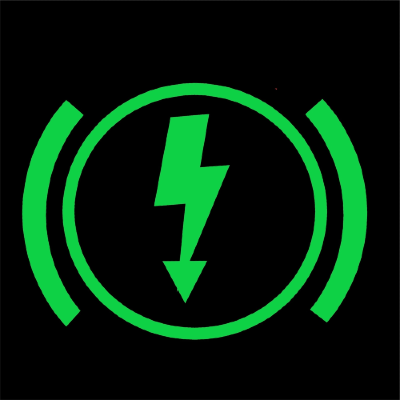
Lights up when the electronic parking brake is engaged, malfunctioning, or not fully released. If it stays on after releasing the brake, have it looked at.
One of the easiest fixes on this list. Pull over, tighten the cap until it clicks, and the light should clear within a few drive cycles.
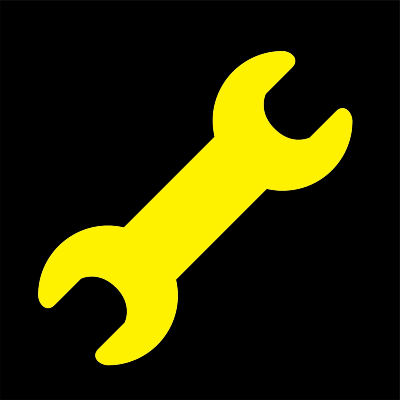
Signals a problem with the engine, transmission, or related sensors. Not always an emergency, but shouldn’t be ignored for long.
Indicates low brake fluid, an engaged parking brake, or a major braking system issue. Treat this as a “get it checked today” situation.
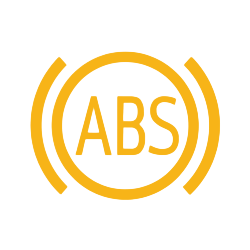
The anti-lock braking system isn’t functioning properly. Regular brakes still work, but you lose that extra layer of control in a hard stop.
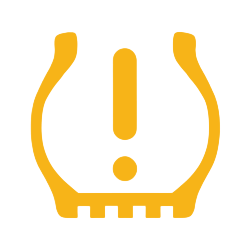
Common, especially with Florida’s temperature swings. Means one or more tires are under-inflated. A quick air check usually solves it.
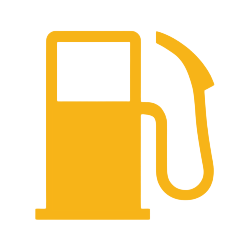
Simple and self-explanatory: time to find a gas station. Running on empty repeatedly can strain the fuel pump over time.
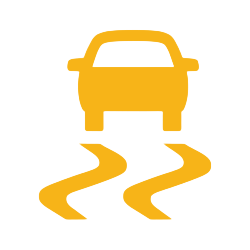
Means the system is actively working or has detected an issue. Flickering on wet or slick roads is normal; staying on constantly is not.
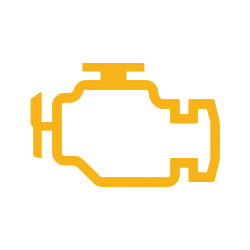
Maybe the most well-known of all the car warning lights. A steady light means get it scanned soon; a flashing light means stop and have it towed.
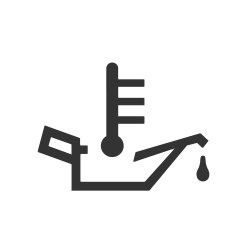
One of the more serious lights on this list. Low oil pressure can cause engine damage fast. Pull over safely and check the level as soon as possible.
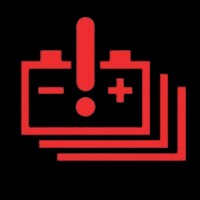
Points to an issue with the battery, alternator, or charging system. The vehicle may still run for a while, but it could stall without warning.
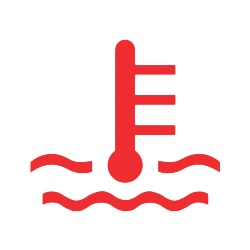
The engine is running hotter than it should. Pull over safely and let the engine cool down to prevent severe engine damage.
Quick Reference
Which Warning Lights Mean I Should Stop Driving Immediately?
Red lights (especially brake system, oil pressure, and coolant temperature) mean it’s time to pull over safely and assess the situation. Amber lights usually allow for a scheduled visit rather than an emergency stop.
Ford dashboard warning lights are color-coded for a reason. Red almost always signals a safety or mechanical risk that requires immediate attention. Amber or yellow lights are important but rarely dangerous if addressed within a reasonable timeframe. Live Oak’s heat and humidity can accelerate certain issues, particularly coolant and battery problems, so it pays to act a little faster here than in cooler climates.

Stop driving, seek service immediately.
Schedule service soon, drive with caution.
Informational only, no action needed.
Know the Signs, Drive with Confidence
Understanding car warning lights doesn’t have to be complicated. Most symbols are simply your Ford looking out for you, flagging issues before they become real problems. Whether it’s a loose gas cap or a flashing Check Engine light, knowing what each one means helps take the guesswork out of driving around Live Oak.
If a light’s been staring back at you for a few days now, it’s worth having it checked out. Walt’s Live Oak Ford can run a full diagnostic, explain exactly what’s going on, and get it resolved. No guesswork required.
Not sure what your light means?
Walt’s Live Oak Ford can run a full diagnostic and tell you exactly what’s happening.
Frequently Asked Questions
Quick answers to the questions Live Oak drivers ask most.
What does it mean when multiple warning lights come on at once?
It often points to a shared electrical issue, such as a weak battery or an alternator problem, rather than several unrelated failures.
Is it safe to keep driving with the Check Engine light on?
If the light is steady, short trips to get home or to the dealership are generally fine. If it is flashing, pull over safely and have the vehicle towed immediately.
Why does my tire pressure light come on more in certain seasons?
Temperature swings change air pressure, so cooler mornings in Live Oak can trigger the TPMS light even with tires that were fine the day before.
Can I reset a warning light myself?
Some, like a loose gas cap, clear on their own after a few drive cycles. Others need a professional scan to diagnose and reset properly.
How often should I get my dashboard lights checked even if nothing’s on?
A quick inspection during routine maintenance can catch sensor issues before they trigger a light at all.

0 comment(s) so far on Ford Warning Lights Explained for Live Oak Drivers